
The Unspoken Language of Hair Stick: From Ancient Rituals to Modern Self-Expression
Discover the hidden stories behind Hair Sticks across cultures. Explore how these delicate accessories evolved from symbols of power and status to tools of personal storytelling and artistic rebellion.
Introduction: The First Hair stick
In 3000 BCE, a Sumerian artisan hammered a spiral of gold into a hair stick for a priestess. In Han Dynasty China, a jade fazan carved with phoenixes secured the hair of an empress. In 2024, a designer in Berlin solders recycled silver into geometric pins for a pop-up gallery.
What connects these moments? The hair stick—one of humanity’s most enduring yet overlooked accessories. This isn’t a story of fashion. It’s a narrative of power, secrecy, and identity.
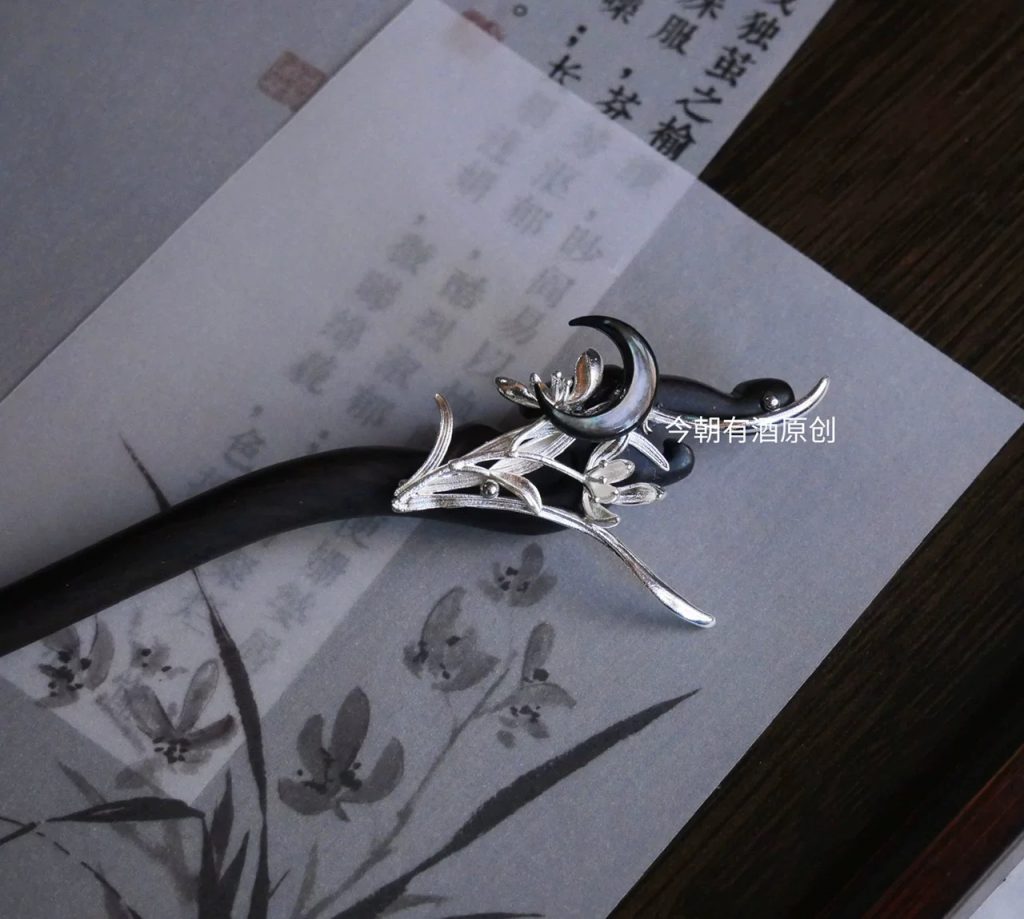
1. Archaeology of Power: Hair sticks as Social Code
Long before they became decorative, hairsticks functioned as social markers. In ancient Rome, bone hair needles held the elaborate styles of patrician women. In Edo Japan, kanzashi motifs indicated marital status, season, and even class.
But some cultures went further:
- Ming Dynasty China: Huadian (花钿) pins were worn near the temple to signal political allegiance.
- Victorian England: Mourning pins made of jet or human hair were encoded with grief.
- Native American tribes: Bone and quill pins symbolized connections to spiritual practices.
These were wearable semiotics—a language without words.
2. The Pointed Rebellion: Hair Sticks as Weapons and Tools of Subversion
History forgets that hair sticks were often instruments of defiance:
- 19th-century factory workers in London used steel pins to pick locks during strikes.
- Flappers in the 1920s used long, sharp pins as improvised protection.
- Japanese geishas reportedly used kanzashi to defend against unruly clients.
This duality—fragility and function—became a metaphor for women’s unspoken resilience.
3. The Modern Revival: Why Hair Sticks Are Trending Again
Today’s designers aren’t just recreating vintage styles. They’re recontextualizing them:
- Material experimentation: Lab-grown pearls, reclaimed wood, and 3D-printed bioplastics.
- Cultural hybridity: A Nigerian-British designer fuses Yoruba beadwork with Art Deco lines.
- Ethical production: Brands like Pin Revolt dedicate portions of profits to domestic violence shelters.
The new hair stick isn’t about nostalgia—it’s about conscious adornment.
4. How to Read a Hair Stick: A Collector’s Guide
Want to understand the stories behind pins? Look for:
- Material whispers: Tortoiseshell (banned since 1973) vs. celluloid (early plastic).
- Structural clues: Hand-forging marks vs. machine casting.
- Symbolic motifs: Bees (community), snakes (transformation), or geometric fractures (modernism).
5. The Future Is Pointed: Hair Sticks in Digital Culture
In Seoul’s virtual fashion weeks, digital hairsticks with animated elements sell as NFTs. Meanwhile, artisans in Cairo use Instagram Reels to teach pin-making workshops.
The next frontier? Bio-integrated pins—accessories embedded with plant matter that evolves with the wearer.
Why This Matters Now
In an era of mass-produced fast fashion, hair sticks represent something radical: slow, intentional craftsmanship. Each pin carries the fingerprints of its maker—and the silent stories of its wearers.
As one collector told me: “My grandmother’s silver pin doesn’t just hold my hair. It holds her migration from Vietnam to France. It holds resilience. I wear it when I need to remember.”